Nigeria-rooted · Advancing Deaf inclusion globally
Partner with DRC
DRC newsroom · Oct 4, 2026

Advocating for Linguistic Rights

DRC and NDA Unite During International Week of the Deaf 2026 The 2026 observance of International Week of the Deaf brought renewed attention to a persistent crisis in Nigeria: the systemic neglect of the linguistic and human rights of the Deaf community. Despite existing legal frameworks designed to protect persons with disabilities, millions of Deaf Nigerians continue to face severe marginalization in public and social spheres.
Advocating for Linguistic Rights
Advocating for Linguistic Rights: DRC and NDA Unite During International Week of the Deaf 2026 The 2026 observance of International Week of the Deaf brought renewed attention to a persistent crisis in Nigeria: the systemic neglect of the linguistic and human rights of the Deaf community. Despite existing legal frameworks designed to protect persons with disabilities, millions of Deaf Nigerians continue to face severe marginalization in public and social spheres. To address these ongoing challenges, the Deaf Resource Centre (DRC) joined forces with the Nigerian Deaf Association (NDA) for a series of campaigns and street rallies aimed at demanding immediate state action and full legal compliance. UNCRPD Article 21 Africa Disability Protocol Discrimination Act 2018 (Recognizes Sign Languages) (Mandates Accessible Services) (Prohibits Disability Bias) │ │ │ └───────────────────────────┬───────┴────────────────────────────────────┘ │ ▼ Current Reality: Implementation Gap Remains Wide The Gap Between Policy and Reality Nigeria is a signatory to several landmark international and domestic agreements guaranteeing the rights of persons with disabilities, including: * The UN Convention on the Rights of Persons with Disabilities (UNCRPD): Explicitly recognizes sign languages as equal to spoken languages and mandates their promotion. * The African Disability Protocol: Protects the rights of persons with disabilities to accessible communication, healthcare, and education across the continent. * The Discrimination Against Persons with Disabilities (Prohibition) Act 2018: The national legislation prohibiting discrimination based on disability and mandating accessibility standards across public institutions.
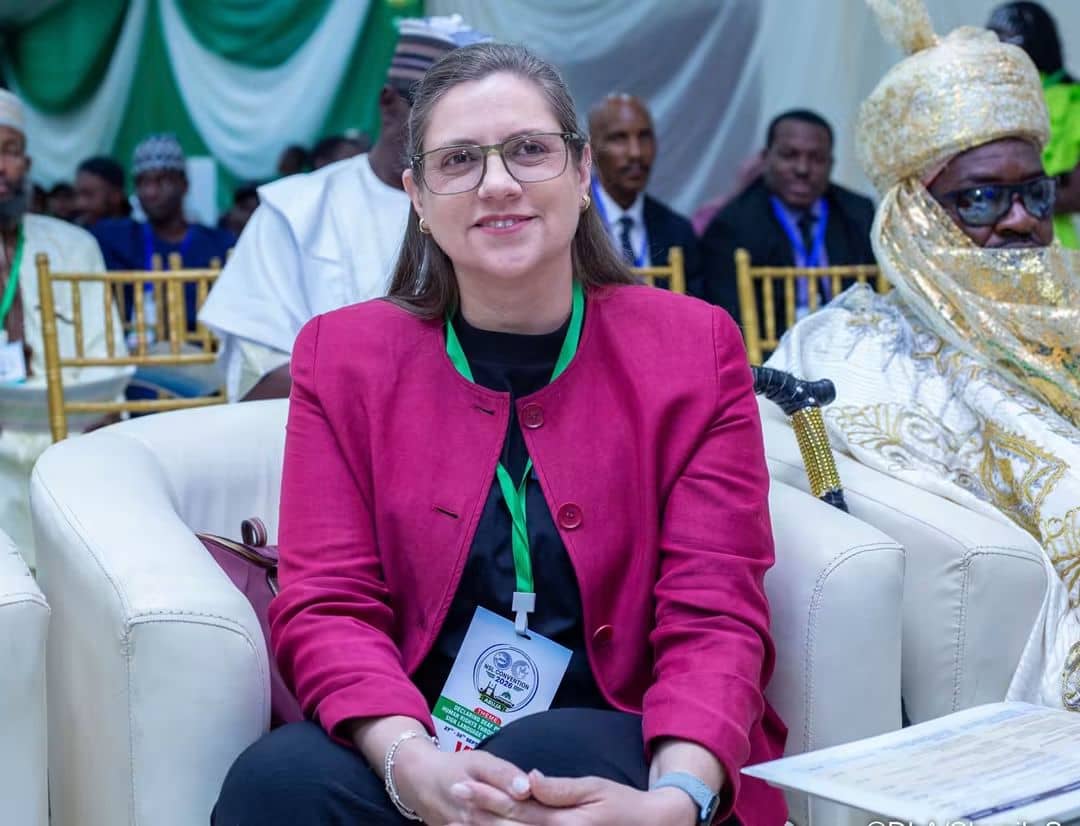
Attendee
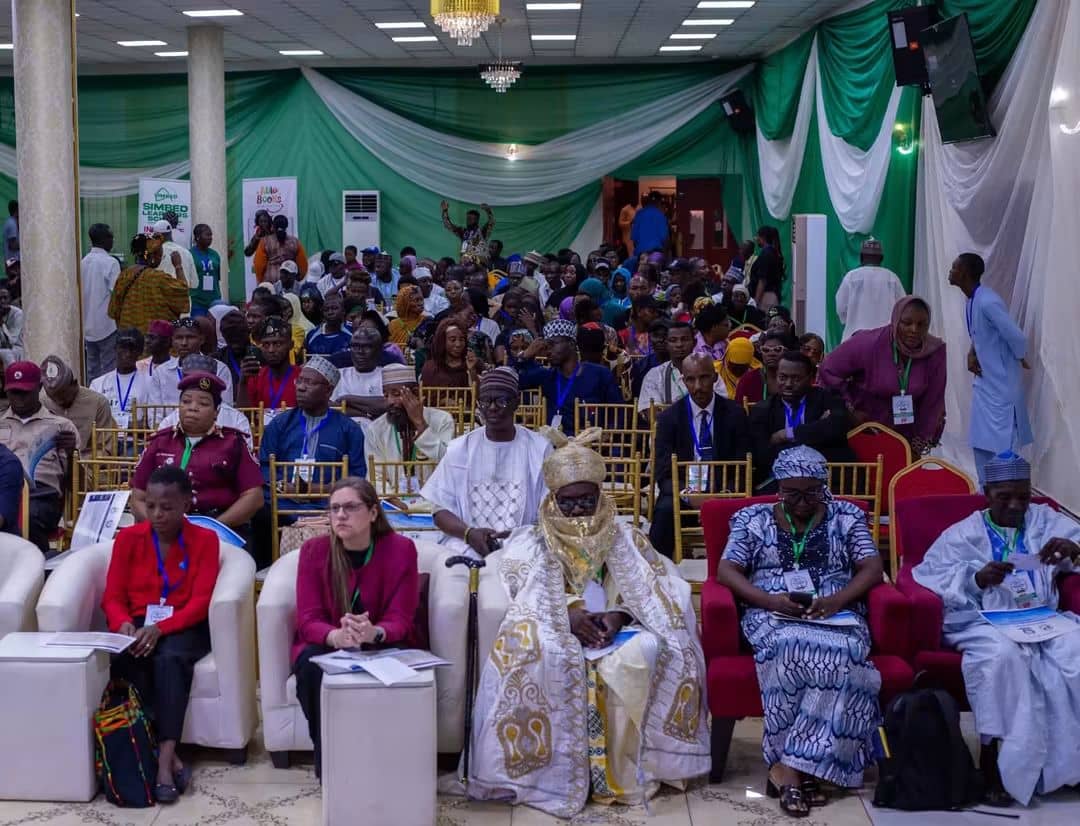
Attendee
Despite these legal provisions, state implementation remains overwhelmingly sluggish. Nigerian Sign Language (NSL) is still largely absent from government facilities, public broadcasts, courtrooms, hospitals, and mainstream educational institutions—leaving Deaf citizens excluded from essential services and public dialogue. Taking to the Streets for Change During this year's commemoration, the DRC and NDA mobilized advocates, community members, and allies across the country. Through coordinated street rallies, peaceful demonstrations, and media campaigns, the coalition highlighted the severe daily consequences of linguistic exclusion. The campaign focused on key demands: * Formal Recognition: Official legal status and institutional support for Nigerian Sign Language. * Accessible Services: Mandatory provision of qualified sign language interpreters in healthcare, governance, and justice sectors. * Inclusive Education: Implementation of sign-inclusive educational environments from primary through tertiary institutions. * Enforcement of the 2018 Act: Strict accountability and penalties for public and private entities failing to comply with national disability legislation.

A Call for Decisive Action

The International Week of the Deaf serves as a powerful annual reminder that communication is a fundamental human right, not a privilege. By stepping forward alongside the Nigerian Deaf Association, the Deaf Resource Centre reinforces its commitment to holding state parties accountable. Bridging the gap between signed laws and actual practice is essential to creating a nation where every Deaf citizen can participate fully and equally.